
Whoa! I remember the first time I tried moving assets across chains and hit a gas-fee brick wall. My instinct said: this will be messy. Seriously? Yes. And then my curiosity pushed me in anyway. At first it felt like juggling too many browser tabs, wallet pop-ups, and unfamiliar network IDs. Initially I thought a single wallet could handle everything fine, but then realized interoperability and UX matter way more than I expected.
Okay, so check this out—wallets used to be simple. Short addresses, one chain. Now DeFi is a multiverse. Hmm… it’s exciting. It’s also chaotic when your extension forgets a custom token or prompts you to sign something you didn’t intend. Something felt off about the cadence of confirmations. My gut said: you need a wallet that reduces friction and surfaces security cues. I’m biased, but that UX noise is the thing that gets people into trouble.
Here’s the thing. A multi-chain browser wallet that gets context right saves time and money. It should show which network a dApp is actually trying to interact with, warn you about token approvals, and let you manage accounts without rescue-level skills. And yes, the usability has to be smooth on Chrome and the common Chromium forks most folks use in the US (looking at you, Brave and Chrome). On one hand the tech is complex, though actually a good extension makes it feel like a small set of clear choices.
I’ve used a half-dozen extensions over the years. Some were clunky and confusing. Others had slick interfaces but weak permission models. Then I started using a wallet that did two little things right: it separated transaction signing from account management, and it made approvals visible and reversible. That small shift changed how I approach approvals at a granular level. Oh, and by the way, it made bridging less nerve-wracking.
What “multi-chain” actually means for everyday users
Short version: it means one wallet can manage assets across Ethereum and a raft of EVM-compatible chains without forcing you to create a new account for each one. That alone seems trivial, but trust me—it isn’t. You need accurate chain detection, sane gas estimations, and clear UI hints so you don’t accidentally sign a transaction on the wrong chain. Sometimes the right answer is not flashy features but predictable defaults that don’t surprise you.
My hands-on rule is simple: if I can’t explain an action in one sentence to my friend in the Bay Area, then the wallet needs to do better. Try this: connect the wallet to a popular DeFi aggregator, then go check the approval page. If it’s vague, bail. If it’s explicit and offers revoke options later, keep exploring. I’m not 100% strict about every plugin, but that approval-revoke loop matters very very much.
Security models matter here. Browser extensions are powerful objects. They sit in the browser’s process, and malware can attempt to interact with them. So a well-designed multi-chain wallet keeps approvals and signing flows explicit, isolates permissions, and prompts conservatively. Initially I assumed a secure seed phrase was enough, but then I realized session-level protections and clear UX are equally important.
Here’s a practical quirk: some wallets auto-populate gas limits aggressively, which can cost you. Others simplify by hiding advanced gas controls, which helps novices but annoys power users. On one hand you want simple defaults; on the other, DeFi requires visibility into what you’re signing. My mental model changed to favor wallets that show both a simple summary and an advanced dropdown—best of both worlds, though not every developer agrees.
Why I recommend trying rabby wallet
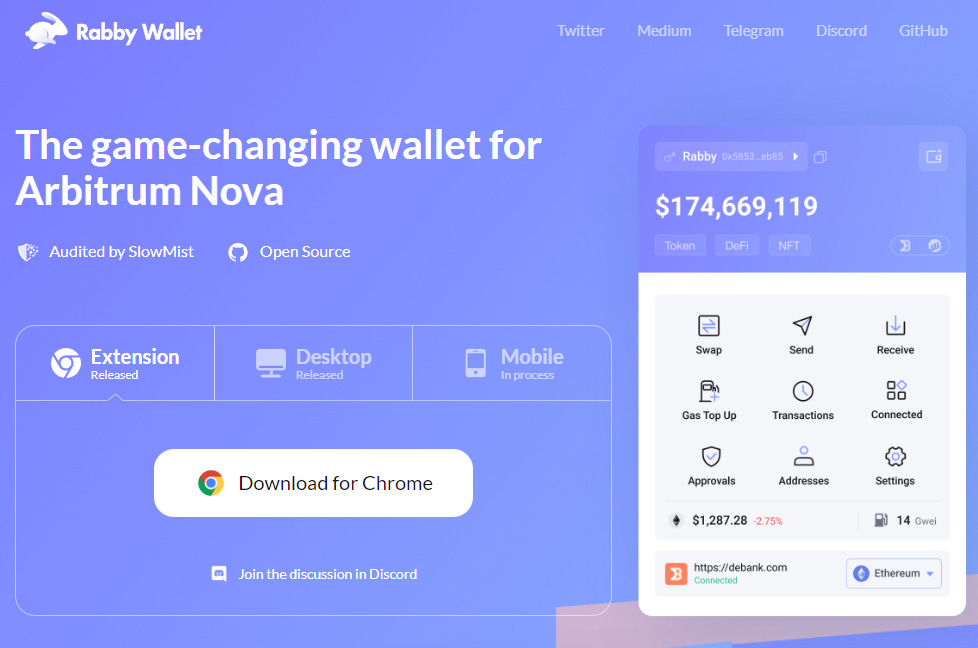
I’ll be honest—I scout for tools that put safety-first UX ahead of buzz. After testing a range of extensions I landed on one that balances multi-chain convenience with explicit security prompts. If you want a solid starting point, consider downloading rabby wallet. It handled network switching elegantly for me, and its approval UI was refreshingly clear. That doesn’t mean it’s perfect. I’m not 100% sure it will suit every advanced use case, but for daily DeFi interactions it reduced my stress levels.
Quick anecdote: I once accepted a seemingly benign token approval and later found a dust-draining bot had permission to move small amounts repeatedly. It was annoying, and also educational. Since switching, I like wallets that record approvals, let me revoke them easily, and show a readable summary before I tap confirm. That little checklist made my mornings less twitchy.
Also—UX wins matter. The extension I stuck with had a small but meaningful design choice: confirmations show both human-readable summaries and raw data toggle. For power users the raw view is gold. For casual users the summary prevents silly mistakes. That compromise is something I respect. And somethin’ else: the wallet didn’t try to be every product at once. It focused on the core problems, fixed them, and layered in extras carefully.
Security notes. Use hardware wallet integration when moving big amounts. Use separate accounts for staking vs trading. Back up your seed phrase offline and never paste it into a web form. These are basics but still worth repeating. There’s no silver bullet. On balance, an extension that prompts clearly, isolates permissions, and integrates with hardware keys is ideal.
FAQ
Can I manage Ethereum and other EVM chains from one account?
Yes. A multi-chain wallet typically uses the same private key across EVM networks. That means you can hold ETH, BNB, and other assets under the same account while switching networks in the extension. Be careful to check network-specific fees and contract addresses before transacting.
How do I reduce approval risks?
Grant minimal allowances when possible, revoke approvals you no longer need, and inspect the allowance details before confirming. Wallets that expose revoke functionality directly in the UI make this much simpler. If a dApp asks for unlimited allowance, think twice.
Is a browser extension wallet safe for large holdings?
For very large holdings, combine an extension with a hardware wallet. Use the extension for daily DeFi activity and the hardware device for high-value transfers. That layering keeps your long-term holdings more secure while preserving convenience.