
Casino slot machines are a staple of the gambling industry, attracting millions of players with their bright lights, engaging themes, and the potential for big wins. However, the cost of acquiring and operating these machines can vary significantly based on several factors. This report delves into the various aspects that influence the price of casino slot machines, providing insights for potential buyers and operators.
The initial cost of a casino slot machine can range from approximately $3,000 to $25,000 or more. The price largely depends on the type of machine and its features. Traditional mechanical slot machines, which have been largely phased out in favor of video slots, typically cost less than modern video slots that come with advanced graphics, interactive features, and immersive gameplay experiences. High-end video slots, especially those that are themed around popular movies or franchises, can command prices at the upper end of this range.
Another significant factor influencing the cost is whether the machine is new or used. New machines often come with the latest technology and features, but they also come with a higher price tag. Used machines, while cheaper, may require additional maintenance and may not offer the same level of player engagement as newer models. Operators must weigh the benefits of investing in new technology against the cost savings of purchasing used machines.
In addition to the purchase price, operators must also consider the costs associated with leasing slot machines. Many casinos opt to lease machines rather than buy them outright. Leasing can provide flexibility and access to the latest technology without the upfront capital expenditure. Lease agreements can vary widely, with costs typically ranging from $200 to $1,000 per month per machine, depending on the machine’s value and the terms of the lease.
Beyond the initial purchase or lease, ongoing operational costs must also be factored in. These costs include maintenance, repairs, and software updates. Slot machines require regular maintenance to ensure they operate smoothly and comply with regulatory standards. This can involve routine inspections, software updates, and repairs, which can add up over time. Operators should budget for these ongoing expenses to maintain the machines in optimal working condition.
Another important consideration is the licensing and regulatory fees associated with operating slot machines. Each jurisdiction has its own set of regulations governing the operation of gambling devices, and compliance can incur additional costs. This may include fees for licensing, inspections, and adherence to gaming regulations, which can vary significantly from one location to another.
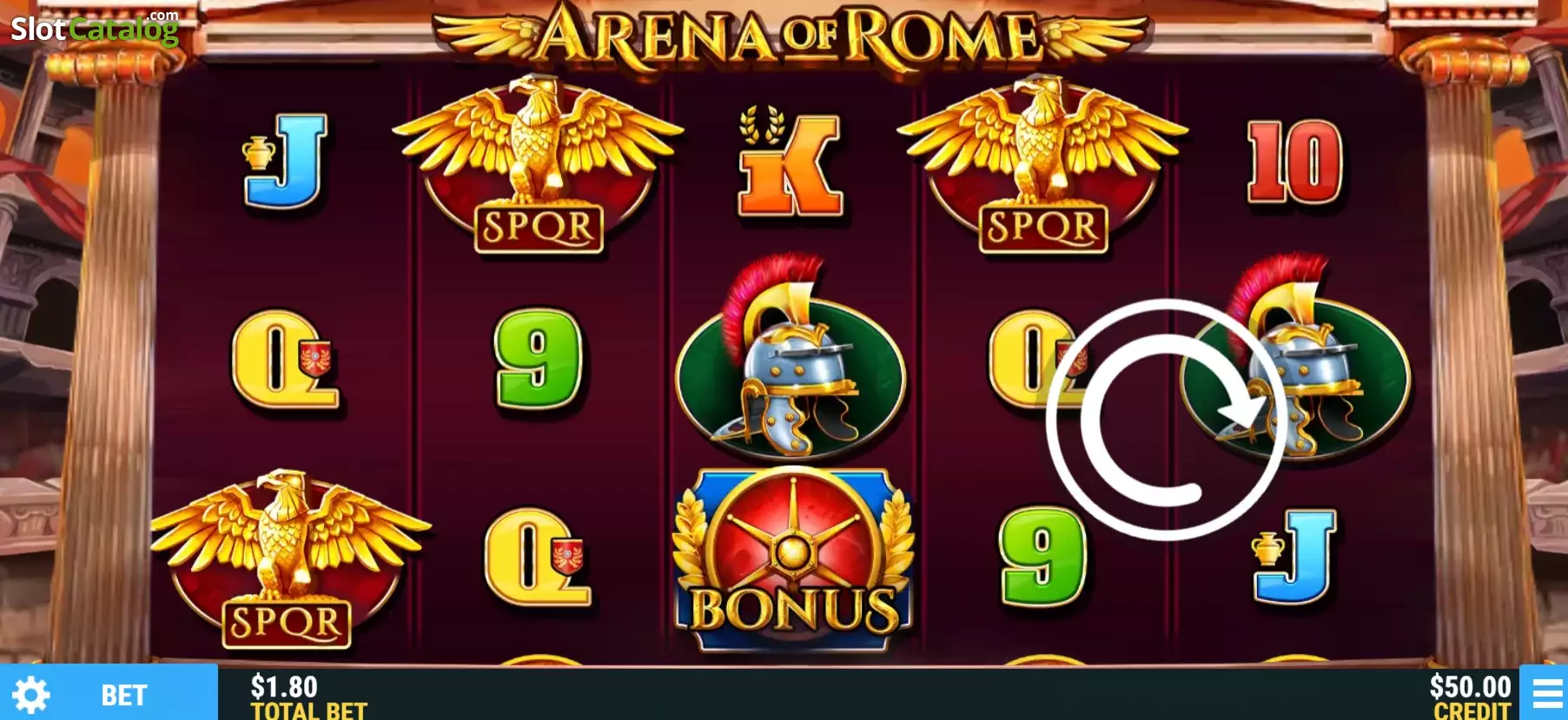
Finally, the potential return on investment (ROI) is a critical factor for operators. Slot machines typically have a payout percentage, which indicates the average return to players over time. Operators must balance the cost of acquiring and maintaining machines with the expected revenue generated from player bets. High-return machines may attract more players, leading to increased revenue, while lower-return machines may struggle to draw in customers.
In conclusion, the cost of casino slot machines is influenced by a variety of factors, including the type Reign of Rome Slot machine, whether it is new or used, leasing versus purchasing, ongoing operational expenses, and regulatory fees. Understanding these costs is essential for anyone looking to invest in or operate casino slot machines, as they play a pivotal role in the overall profitability of a casino.