
Okay, so check this out—I’ve been poking around wallets for years. Seriously? Yeah. Some mornings I wake up and my instinct says “don’t sign that,” and other times I dive in headfirst. Whoa! The point is that wallets used to be a boring bridge. Now they’re the gatekeepers, the portfolio manager, and sometimes the thing that trips you up at the worst possible moment.
At first I thought all wallets were interchangeable. I was wrong. Actually, wait—let me rephrase that. On the surface they look similar: seed phrase, network selector, token list. But once you start juggling multiple chains, complex DeFi positions, and those tiny-but-crucial calldata differences, the truth hits. My instinct said “get a UI that tells you what’s happening,” and that turned into a deeper checklist of what really matters for advanced users.
Here’s what bugs me about many wallet experiences. Transactions feel like magic. You click confirm and hope nothing explodes. That’s not acceptable. Not for people who run liquidity pools, use leverage, or rebalance frequently. Something felt off about the simulation tools out there. They’re either dumbed down, or they require a CS degree to use. I’m biased, but we deserve better. somethin’ simple yet powerful. Very very important.
What a modern Web3 wallet actually needs
First: reliable transaction simulation. Simple confirmations aren’t enough. You should see potential slippage, gas strategies, revert reasons, and state changes before you sign. Second: portfolio tracking that treats your entire footprint as a single organism—not a set of siloed addresses. Third: security features that are proactive, not reactive. Those three things together change risk calculus in ways people miss.
I’ll be honest—wallet security has improved. But usability hasn’t kept pace with capability. On one hand, hardware wallets added a layer of trust. On the other, UX complexity nudges people toward copy-paste mistakes. Initially I thought more warnings would help. Then I realized people ignore warnings if the flow is annoying. So the right answer is a mix: clear warnings, better defaults, and fewer opportunities to make mistakes.
Think about transaction simulation like a flight simulator. Pilots train on simulators. Pilots don’t just hope the engines behave. DeFi users should be able to rehearse risky moves and see exact outcomes. Seriously? Yes. Simulation is not just for nerds; it’s for anyone who values their capital. Simulations reduce the anxiety of clicking confirm. They illuminate hidden approvals and token interactions that would otherwise be invisible.
On a technical level, good simulation runs a dry-run of the call against a node while replicating relevant on-chain state. Then it surfaces: “If you do X, Y will change by Z, here’s the gas cost and here’s the revert reason if it fails.” Longer thought: when you combine that with local mempool checks and fee estimation across EVM chains, you end up with a wallet that doesn’t just sign; it advises. It’s the difference between being an autopilot and a co-pilot.
Portfolio tracking deserves equal love. Most apps show balances and price charts. Meh. That’s shallow. Real tracking aggregates across EOA, contract positions, and vaults. It attributes impermanent loss, realized vs unrealized P&L, and counterparty exposure. It answers questions like: “If gas spikes 3x, how does my daily rebalancing plan look?” or “Which positions will liquidate first if collateral drops?” Those are the metrics traders and power users want.
On one hand, building this requires deep on-chain data aggregation. On the other, it’s a UX challenge. You can’t swamp people with numbers. So the trick is layered detail: high-level signals first, with the ability to drill into the contract calls and events. My instinct told me dashboards should nudge users toward healthy choices. That means default risk thresholds, clearer approval flows, and templates for common strategies that reduce brain friction. Oh, and by the way—notifications that actually mean something help a ton.
Security-wise, I care about three things: minimizing exposure, making approvals explicit and granular, and giving users a way to recover quickly. Approvals are the silent killer. You approve a token and a contract drains your funds months later. Crazy but true. A wallet that simulates approvals, shows cumulative exposure, and suggests safe allowances—well, that saves money. There’s also behavioral stuff: people reuse passwords, they copy seed phrases into clouds. Education helps, but the product must be designed to resist those errors.
Now for a practical example from my own toolkit. I started using a wallet that simulated a complex swap across an AMM, showing the exact slippage and the internal approvals, before I ever touched my keys. At first I thought it was overkill. Then it caught a subtle router redirect that would have cost me 2% of the trade. Seriously? Yeah. That little save paid for weeks of subscription costs. So the math is simple: simulation + clear warnings = fewer painful mistakes.
Okay, so what should an advanced DeFi user look for when choosing a wallet? Here’s my rough checklist.
– Transaction simulation: shows revert reasons, gas, state changes.
– Cross-chain portfolio: aggregates assets, liabilities, and LP positions.
– Approval management: granular allowances and lifetime exposure visualization.
– UX for complex flows: multicall previews and step-by-step simulations.
– Security defaults: hardware integration, multi-account isolation, and phishing prevention.
– Actionable alerts: succinct, contextual notifications that don’t spam.
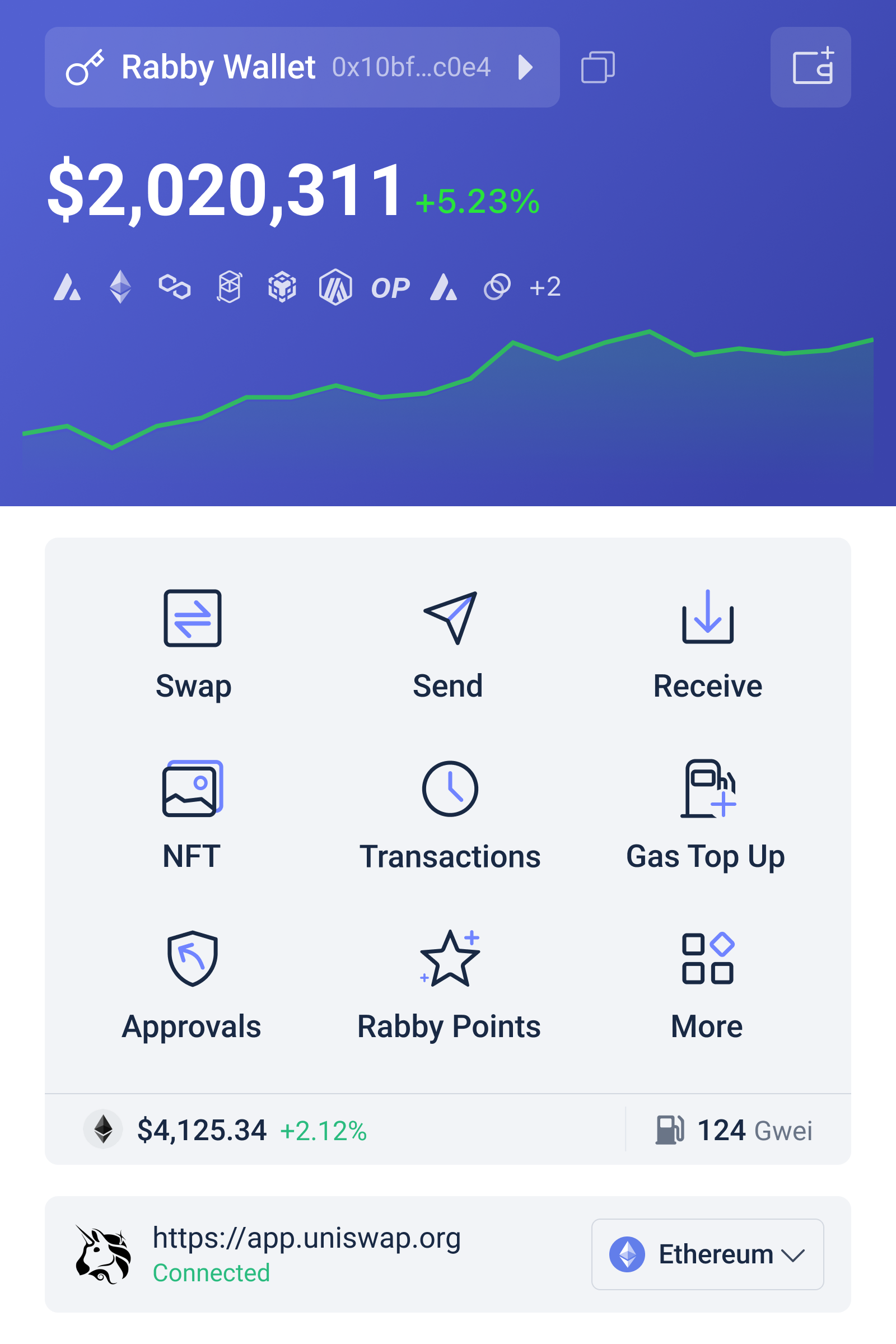
That list sounds demanding. It is. But the good news: wallets are evolving. One that blends all this with a sane UX is not a fantasy. Check this out—I’ve been using a wallet that ties these pieces together and it changed how I trade and manage positions. It’s called rabby wallet, and it’s the kind of tool you want if you care about simulation and portfolio clarity. I’m not shilling blindly; I used it on mainnet and testnets and it caught a routing issue I would’ve missed. My gut said “this is useful” and the metrics backed that up.
But there are trade-offs. Complexity can scare new users. If you overload the interface with details, you lose people. So again: layered design. Beginners get plain helpful defaults. Advanced users get full-blown simulations and analytics. That’s the sweet spot. On the other hand, leaning too hard toward minimalism strips out the protections power users need. So the design problem is multi-objective and nuanced.
Here’s a small tangent: gas. US users often complain about Ethereum gas. Yeah, it’s real. But too many wallet UIs hide the actual gas dynamics until the end. Better wallets show gas sensitivity as you compose a trade. You can see how aggressive to be, or how batching reduces overhead. Small operational changes matter: batching approvals, prioritizing transactions, and deferring non-urgent ops to low-fee windows. Those are the sorts of things a co-pilot wallet should suggest.
Another point—privacy. It’s easy to ignore. But aggregated portfolio views can leak sensitive details if sync happens through a central server. Some wallets offer client-side aggregation, which reduces exposure. My preference is client-first processing, with optional opt-in analytics for improved features. I’m not 100% sure this is perfect, but it’s a reasonable trade-off between convenience and privacy.
Alright, so you want to adopt a smarter wallet. How to onboard without pain? Start with accounts you can afford to experiment with. Use testnets and small amounts on mainnet. Explore the simulation tab before enabling approvals. Treat the wallet like a new tool: learn the language of revert reasons and approvals. And pay attention to defaults—the wallet that nudges you toward safer choices is usually the better long-term bet.
Okay, quick reality check. This isn’t a panacea. You can still make mistakes. Flash loan attacks, social-engineered scams, and novel contract exploits exist. A wallet with great simulation reduces many human errors, but it can’t eliminate systemic protocol risk. On one hand, improved tooling raises the bar for users. On the other hand, attackers get creative. So keep being skeptical. Hmm… always good to question.
FAQ — common questions from active DeFi users
Do transaction simulators always match on-chain results?
Mostly, but not always. Simulation depends on node state and mempool timing. If the network state changes between the simulation and your broadcast, outcomes can differ. Good wallets rerun simulation just before signing and warn you if key parameters changed.
Will portfolio aggregation compromise my privacy?
It can if aggregation relies on a central server that indexes addresses tied to you. Look for client-side aggregation or privacy-focused sync. Some wallets use optional encrypted backups; treat those choices like settings—pick what matches your threat model.
Closing thought: the wallet is no longer a passive tool. It’s an active partner that can nudge you away from costly mistakes, help you optimize trades, and present your financial picture clearly. My instinct told me so, early on. Then practical use confirmed it. On balance, a wallet with simulation, strong portfolio tracking, and smart defaults will change your workflow more than any single protocol upgrade. That part excites me. It also makes me cautious, because tools shape behavior. I like that tension. It keeps the space honest, mostly…